Revolutionizing Architectural Lighting Design Services in the USA with Artificial Intelligence
Category : lumenwork | Sub Category : Posted on 2023-10-30 21:24:53
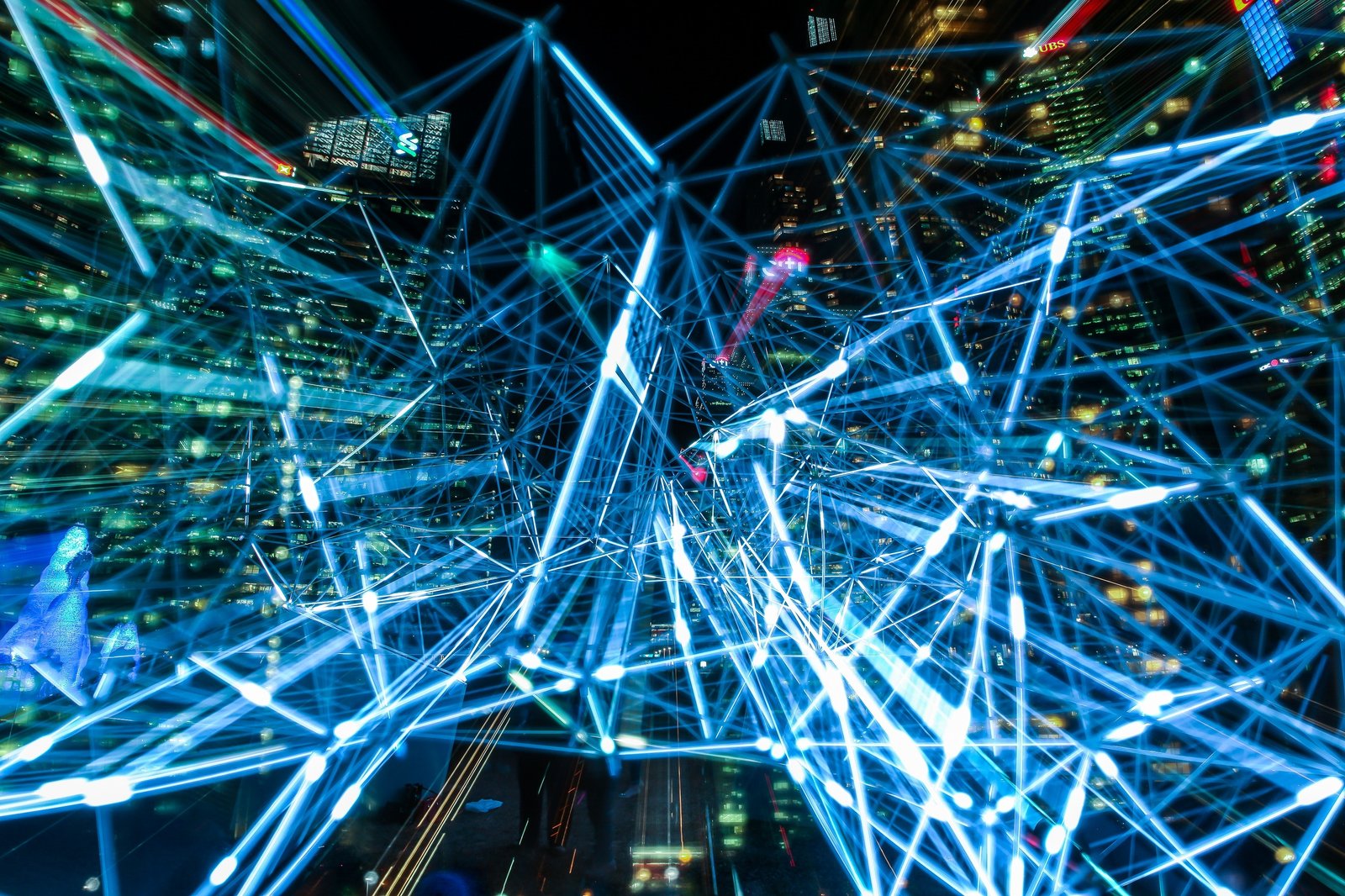
Introduction: In the fast-paced and ever-evolving world of architectural lighting design, staying at the forefront of technology is crucial. Artificial intelligence (AI) is revolutionizing various industries, and the field of architectural lighting design is no exception. With its ability to analyze data, optimize energy usage, and enhance visual aesthetics, AI is reshaping the way lighting design services are delivered in the USA. AI in Architectural Lighting Design: 1. Data Analysis and Insights: AI-driven tools can process massive amounts of data related to building usage, environmental conditions, and occupants' preferences. This data is then used to generate valuable insights, enabling designers to make informed decisions. By understanding how occupants interact with spaces, designers can create lighting solutions that enhance comfort and well-being while reducing energy consumption. 2. Energy Optimization: One of the key advantages of incorporating AI into architectural lighting design is its ability to optimize energy usage. AI algorithms, combined with smart sensors, can adjust lighting levels based on occupancy, time of day, and natural lighting conditions. This dynamic control system ensures that lights are only on when needed, leading to significant energy savings. 3. Improved Visual Aesthetics: Designing captivating lighting concepts is an art, and AI technology can help designers take their creativity to new heights. By using AI algorithms to analyze architectural elements, materials, and lighting possibilities, designers can create visually stunning lighting designs that lend an enchanting atmosphere to any space. AI algorithms can also simulate lighting effects, allowing designers to experiment and visualize the impact of different lighting scenarios. 4. Enhanced User Experience: Architectural lighting should provide a positive experience for occupants. By leveraging AI, lighting design services can customize lighting schemes based on occupants' preferences and the specific requirements of the space. AI algorithms can learn from user feedback and adjust lighting accordingly, creating a personalized and comfortable environment. Advantages for Lighting Design Service Providers: 1. Time and Cost Efficiency: With AI's ability to analyze data and generate insights quickly, lighting design service providers can save time and resources. Designers no longer need to manually go through data sets or conduct time-consuming simulations. AI-powered software can streamline the design process, resulting in faster project turnaround times. 2. Increased Design Accuracy: AI algorithms can eliminate human error by performing complex calculations and simulations accurately. This ensures that lighting designs are precise, optimized for energy efficiency, and aligned with the specific requirements of the project. This increased accuracy leads to better end results and client satisfaction. 3. Sustainability and Green Design: As the world focuses on sustainability and reducing carbon footprints, architectural lighting design services must adapt and embrace green practices. AI-powered systems can help service providers create sustainable lighting solutions by optimizing energy usage, reducing wastage, and integrating renewable energy sources seamlessly. Conclusion: Artificial intelligence is transforming architectural lighting design services in the USA, driving innovation and pushing boundaries. Designers now have access to powerful tools that analyze data, optimize energy usage, enhance visual aesthetics, and offer personalized experiences. With its ability to save time, improve accuracy, and promote sustainability, AI is an invaluable asset for lighting design service providers, ensuring a brighter and more efficient future in architectural lighting design. For an extensive perspective, read http://www.thunderact.com Seeking in-depth analysis? The following is a must-read. http://www.alliancespot.com To get a holistic view, consider http://www.vfeat.com
Leave a Comment:
SEARCH
Recent News
- Illuminating Wildlife Conservation: The Impact of Proper Lighting
- If you are looking for innovative startups in the lighting industry located in Vancouver, Canada, you've come to the right place. Vancouver is known for its thriving startup scene, and several companies are making waves in the lighting sector. Let's take a look at some of the top startups in Vancouver that are revolutionizing the way we think about lighting.
- "Brighten Up Your Business: The Importance of Lighting in Vancouver"
- When it comes to lighting in Vancouver, there are several companies that stand out for their exceptional products and services. Whether you're looking to illuminate your home, office, or outdoor space, these top lighting companies in Vancouver have you covered.
- Are you interested in learning about the various business support programs offered by the UK government to help entrepreneurs and small business owners in the lighting industry? From funding opportunities to advisory services, the UK government provides a range of resources to support businesses in this sector.
- When it comes to creating a welcoming and cozy ambiance in Tunisian hotels, the lighting plays a crucial role. Lighting design not only illuminates the space but also sets the mood and enhances the overall guest experience. In this blog post, we will explore the importance of lighting in Tunisian hotels and how it can create a warm and inviting atmosphere for visitors.
- Lighting Trends: Illuminate Your Space in Style
- Enhancing Visibility with Advanced Lighting Tracking Solutions
READ MORE
11 months ago Category : lumenwork

Illuminating Wildlife Conservation: The Impact of Proper Lighting
Read More →11 months ago Category : lumenwork

If you are looking for innovative startups in the lighting industry located in Vancouver, Canada, you've come to the right place. Vancouver is known for its thriving startup scene, and several companies are making waves in the lighting sector. Let's take a look at some of the top startups in Vancouver that are revolutionizing the way we think about lighting.
Read More →11 months ago Category : lumenwork

"Brighten Up Your Business: The Importance of Lighting in Vancouver"
Read More →11 months ago Category : lumenwork
