Artificial Intelligence Revolutionizing Core Architectural Lighting in the USA
Category : lumenwork | Sub Category : Posted on 2023-10-30 21:24:53
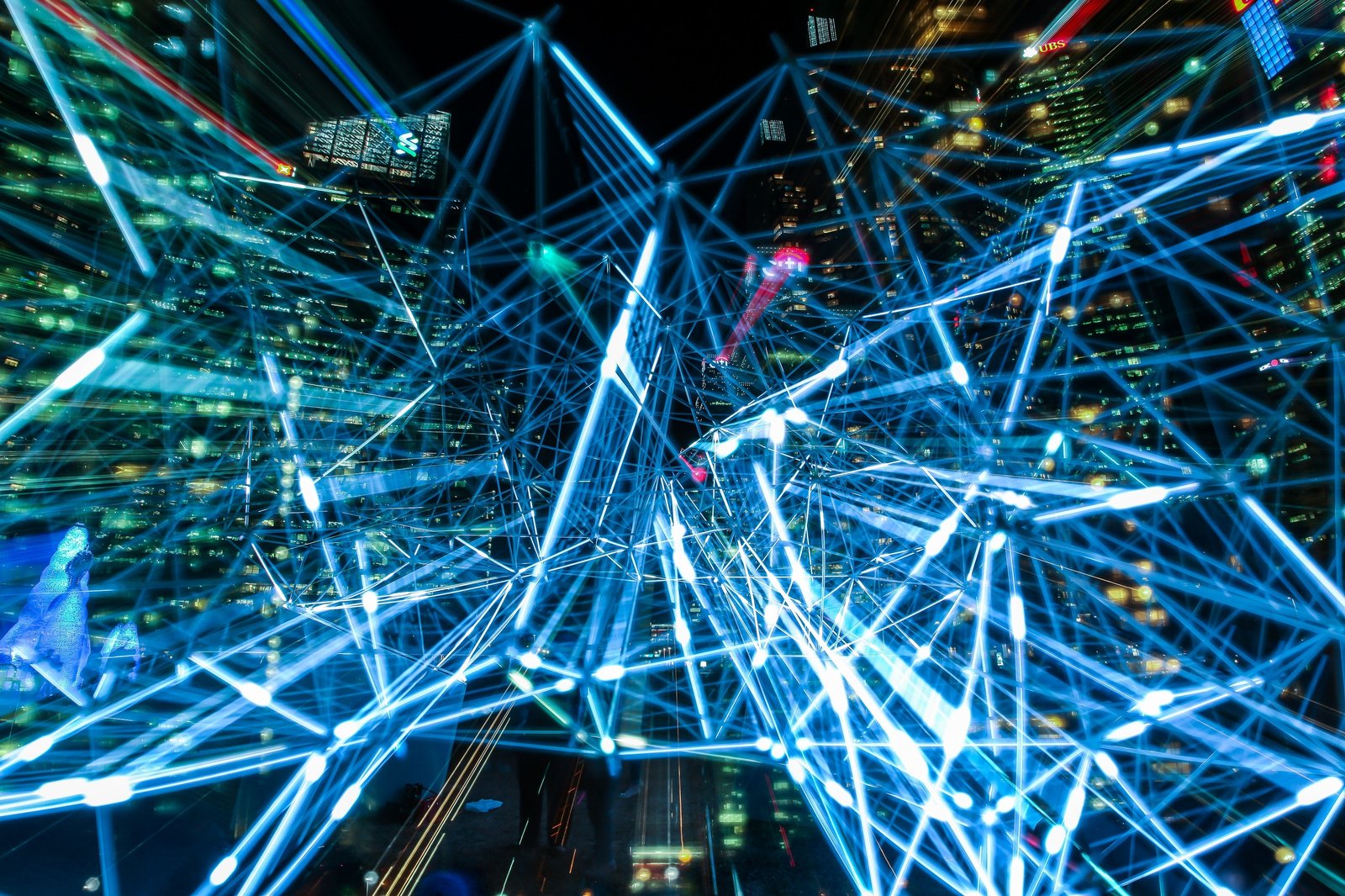
Introduction: In recent years, there has been an incredible surge in the development and implementation of artificial intelligence (AI) technologies across various industries. One sector that has witnessed significant transformation due to AI is core architectural lighting. AI-powered lighting systems have revolutionized the way architects and lighting designers approach their projects in the USA. In this blog post, we will explore the immense potential of AI in core architectural lighting and discuss its impact on the industry. 1. Understanding Artificial Intelligence in Core Architectural Lighting: AI in core architectural lighting refers to the integration of smart algorithms, machine learning, and computer vision technologies into lighting systems. These advanced systems enable lighting fixtures to adapt, optimize, and personalize the lighting experience in different environments. By leveraging AI, lighting designers can create dynamic and energy-efficient lighting solutions that enhance the aesthetics and functionality of architectural spaces. 2. Enhanced Lighting Control and Personalization: One significant advantage of AI-powered lighting systems is their ability to provide precise and granular control over lighting conditions. These systems can automatically adjust the intensity, color temperature, and direction of light to meet specific requirements. Moreover, AI algorithms can analyze user preferences, occupancy patterns, and environmental factors to personalize the lighting experience for individuals or groups of people, enhancing comfort and well-being. 3. Energy Efficiency and Sustainability: With the growing emphasis on sustainable building practices, AI has emerged as a valuable tool in achieving energy efficiency in architectural lighting. AI-powered lighting systems can optimize energy consumption by dimming the lights when areas are unoccupied or utilizing natural light sources whenever possible. Moreover, advanced AI algorithms continuously learn and adapt to environmental changes, ensuring lighting systems operate at their most energy-efficient levels. 4. Integration with Building Management Systems: AI-based lighting solutions seamlessly integrate with building management systems (BMS) to create a unified approach to energy management. By collaborating with other components of the BMS, such as HVAC and occupancy sensors, lighting systems can collectively contribute to the overall energy-saving efforts within a building. The integration also enables centralized monitoring and control of lighting, ensuring efficient maintenance and troubleshooting. 5. Improved Safety and Security: AI-powered lighting systems can enhance safety and security measures within architectural spaces. Thanks to computer vision capabilities, these systems can detect and respond to movement, people, or objects in real-time. This allows for adaptive lighting schemes that prioritize well-lit areas and dim or illuminate specific zones based on activity levels. Moreover, AI algorithms can detect and alert security personnel of any abnormal behavior or potential threats, improving overall safety protocols. Conclusion: Artificial intelligence has paved the way for transformative changes in the field of core architectural lighting in the USA. These advancements have empowered architects and lighting professionals to create intelligent, energy-efficient, and personalized lighting solutions. With the ability to adapt to changing environments, optimize energy consumption, and enhance safety measures, AI-powered lighting systems are set to play a crucial role in shaping the future of architectural design. As the technological landscape continues to evolve, we can expect even more innovative and sustainable applications of AI in core architectural lighting. also this link is for more information http://www.thunderact.com For valuable insights, consult http://www.alliancespot.com Want to learn more? Start with: http://www.vfeat.com
Leave a Comment:
SEARCH
Recent News
- Illuminating Wildlife Conservation: The Impact of Proper Lighting
- If you are looking for innovative startups in the lighting industry located in Vancouver, Canada, you've come to the right place. Vancouver is known for its thriving startup scene, and several companies are making waves in the lighting sector. Let's take a look at some of the top startups in Vancouver that are revolutionizing the way we think about lighting.
- "Brighten Up Your Business: The Importance of Lighting in Vancouver"
- When it comes to lighting in Vancouver, there are several companies that stand out for their exceptional products and services. Whether you're looking to illuminate your home, office, or outdoor space, these top lighting companies in Vancouver have you covered.
- Are you interested in learning about the various business support programs offered by the UK government to help entrepreneurs and small business owners in the lighting industry? From funding opportunities to advisory services, the UK government provides a range of resources to support businesses in this sector.
- When it comes to creating a welcoming and cozy ambiance in Tunisian hotels, the lighting plays a crucial role. Lighting design not only illuminates the space but also sets the mood and enhances the overall guest experience. In this blog post, we will explore the importance of lighting in Tunisian hotels and how it can create a warm and inviting atmosphere for visitors.
- Lighting Trends: Illuminate Your Space in Style
- Enhancing Visibility with Advanced Lighting Tracking Solutions
READ MORE
10 months ago Category : lumenwork

Illuminating Wildlife Conservation: The Impact of Proper Lighting
Read More →10 months ago Category : lumenwork

If you are looking for innovative startups in the lighting industry located in Vancouver, Canada, you've come to the right place. Vancouver is known for its thriving startup scene, and several companies are making waves in the lighting sector. Let's take a look at some of the top startups in Vancouver that are revolutionizing the way we think about lighting.
Read More →10 months ago Category : lumenwork

"Brighten Up Your Business: The Importance of Lighting in Vancouver"
Read More →10 months ago Category : lumenwork
