Revolutionizing Entertainment Centers: The Role of Artificial Intelligence in Lighting Design
Category : lumenwork | Sub Category : Posted on 2023-10-30 21:24:53
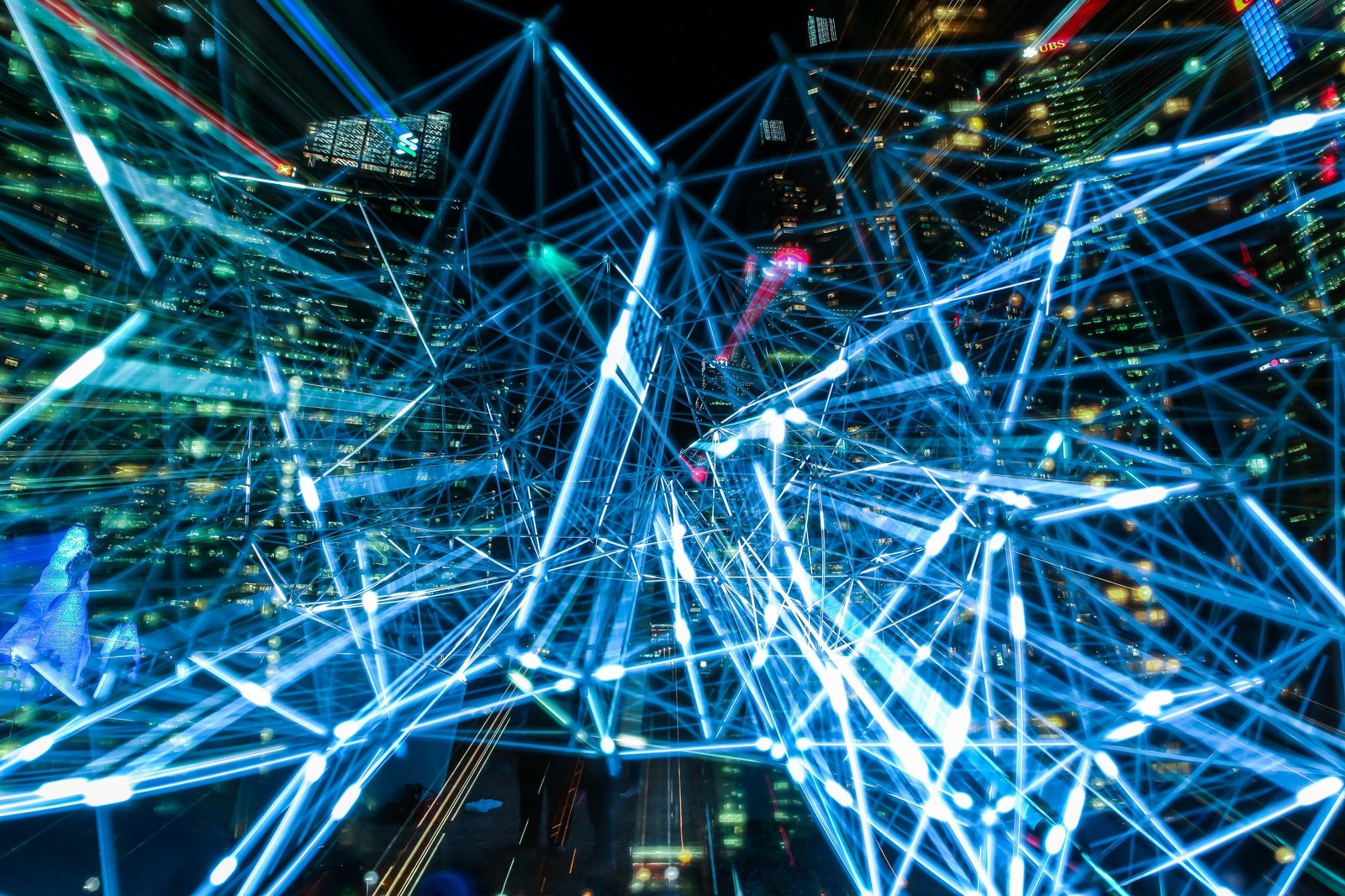
In today's technology-driven world, artificial intelligence (AI) has made its way into various industries, and the entertainment centers lighting design sector is no exception. AI has transformed the way we experience and engage with our entertainment spaces, enhancing our overall enjoyment and creating immersive environments like never before. In this blog post, we will delve into the powerful role of AI in lighting design for entertainment centers in the USA and explore the endless possibilities it brings. One of the key ways AI has revolutionized lighting design is through its ability to automate and personalize lighting settings. With AI-powered systems, entertainment centers can now create dynamic lighting scenes that adapt to the needs and preferences of different audiences. Whether it's a live concert, a theater performance, or a movie screening, AI can intelligently analyze variables such as the content, atmosphere, and audience reactions to create the perfect lighting ambiance. Another significant advantage AI brings to lighting design is its ability to optimize energy consumption. With smart lighting systems, entertainment centers can intelligently adjust lighting levels and schedules depending on the occupancy or usage of the space. AI algorithms can analyze patterns and make real-time adjustments, resulting in significant energy savings and reduced carbon footprints. The integration of AI with lighting control systems also allows remote monitoring and management, ensuring that lighting operates efficiently with minimal human intervention. One fascinating aspect of AI in lighting design is its ability to enhance interactivity and engagement. Imagine walking into an entertainment center where the lighting responds to your movements, emotions, or even your voice commands. With AI, entertainment centers can create interactive lighting installations that captivate audiences and transform their experiences. From interactive LED floors that react to footsteps to gesture-controlled lighting fixtures, AI allows for endless possibilities that blur the lines between the virtual and physical realms. Furthermore, AI can assist in creating synchronized lighting experiences that complement other elements of the entertainment center, such as audio and visual effects. By analyzing the content being presented, AI algorithms can orchestrate an immersive experience where lighting seamlessly aligns with the on-screen action or the music being performed. This synchronization elevates the overall impact of the performance or event, leaving the audience in awe. While the integration of AI in lighting design brings numerous benefits, it also raises concerns about privacy and data security. The collection and analysis of user data to personalize lighting experiences must be handled responsibly and transparently. Entertainment centers must prioritize consent, data encryption, and anonymity to ensure that AI-powered lighting systems respect user privacy and maintain trust. In conclusion, artificial intelligence has revolutionized the entertainment centers lighting design in the USA, offering new dimensions of personalization, interactivity, and energy efficiency. As technology continues to advance, we can expect even more innovative and creative applications of AI in lighting, pushing the boundaries of what is possible in entertainment experiences. Whether it's creating dynamic lighting scenes, optimizing energy consumption, or enhancing interactivity, AI is shaping the future of entertainment center lighting design, providing unforgettable experiences for audiences across the country. For an extensive perspective, read http://www.thunderact.com To learn more, take a look at: http://www.alliancespot.com Want a deeper understanding? http://www.vfeat.com
Leave a Comment:
SEARCH
Recent News
- Illuminating Wildlife Conservation: The Impact of Proper Lighting
- If you are looking for innovative startups in the lighting industry located in Vancouver, Canada, you've come to the right place. Vancouver is known for its thriving startup scene, and several companies are making waves in the lighting sector. Let's take a look at some of the top startups in Vancouver that are revolutionizing the way we think about lighting.
- "Brighten Up Your Business: The Importance of Lighting in Vancouver"
- When it comes to lighting in Vancouver, there are several companies that stand out for their exceptional products and services. Whether you're looking to illuminate your home, office, or outdoor space, these top lighting companies in Vancouver have you covered.
- Are you interested in learning about the various business support programs offered by the UK government to help entrepreneurs and small business owners in the lighting industry? From funding opportunities to advisory services, the UK government provides a range of resources to support businesses in this sector.
- When it comes to creating a welcoming and cozy ambiance in Tunisian hotels, the lighting plays a crucial role. Lighting design not only illuminates the space but also sets the mood and enhances the overall guest experience. In this blog post, we will explore the importance of lighting in Tunisian hotels and how it can create a warm and inviting atmosphere for visitors.
- Lighting Trends: Illuminate Your Space in Style
- Enhancing Visibility with Advanced Lighting Tracking Solutions
READ MORE
3 months ago Category : lumenwork

Illuminating Wildlife Conservation: The Impact of Proper Lighting
Read More →3 months ago Category : lumenwork

If you are looking for innovative startups in the lighting industry located in Vancouver, Canada, you've come to the right place. Vancouver is known for its thriving startup scene, and several companies are making waves in the lighting sector. Let's take a look at some of the top startups in Vancouver that are revolutionizing the way we think about lighting.
Read More →3 months ago Category : lumenwork

"Brighten Up Your Business: The Importance of Lighting in Vancouver"
Read More →3 months ago Category : lumenwork
