Transforming Government Transportation Projects in the USA with Artificial Intelligence Lighting
Category : lumenwork | Sub Category : Posted on 2023-10-30 21:24:53
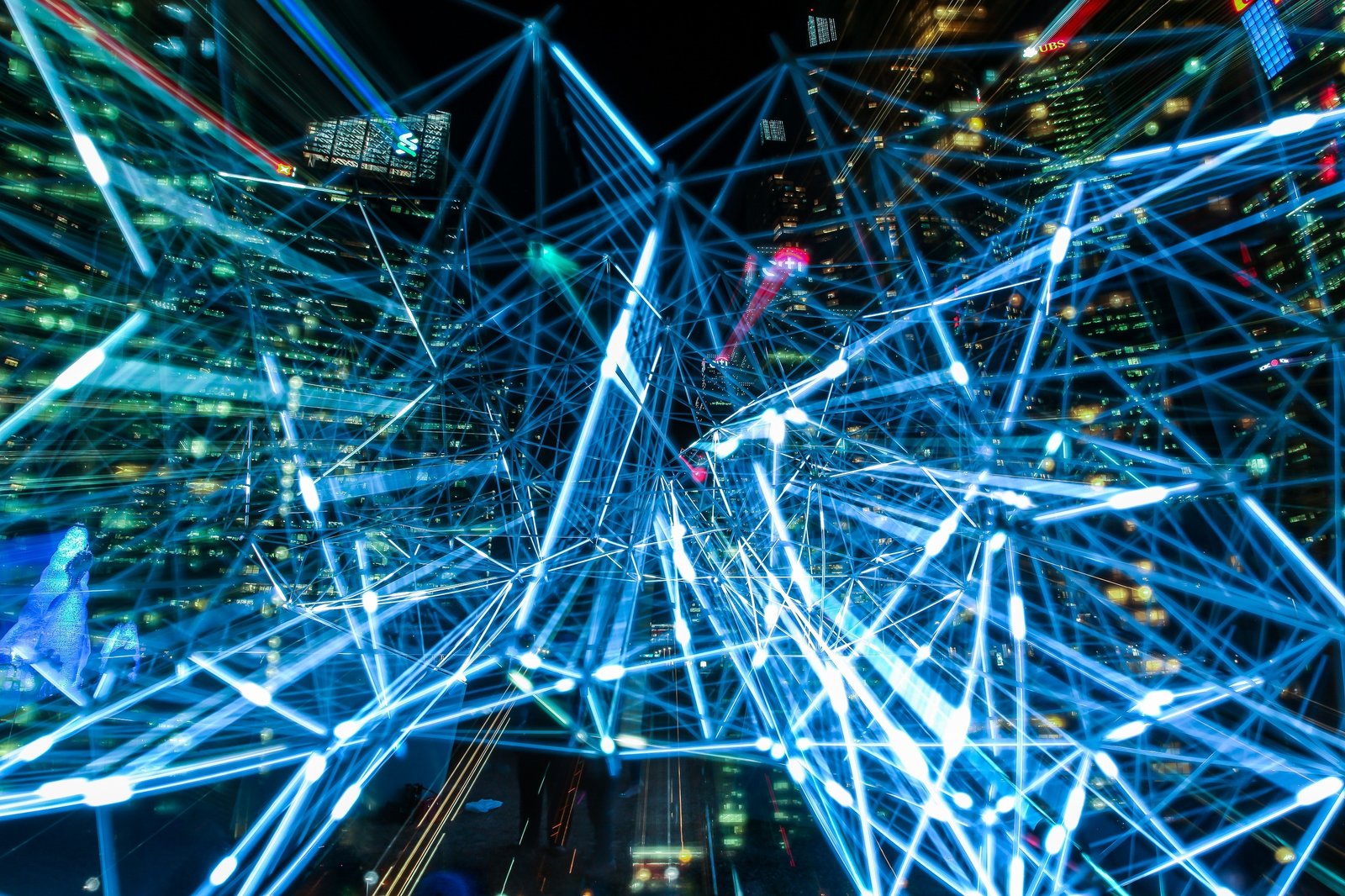
Introduction: Artificial intelligence (AI) has become a transformative force in various industries, and the world of transportation is no exception. In the United States, government transportation projects are being revolutionized through the implementation of AI lighting. In this blog post, we will explore how AI lighting is enhancing transportation infrastructure, improving safety, and maximizing energy efficiency. Improving Infrastructure: 1. Smarter Street Lights: AI lighting systems have the potential to transform traditional street lights into intelligent assets. By integrating sensors and cameras with AI algorithms, these lights can monitor traffic patterns, identify and predict congestion, and adjust their brightness accordingly. This innovation facilitates better traffic management, leading to reduced travel times and improved overall transportation efficiency. 2. Intelligent Intersection Lighting: AI-powered lighting at intersections can greatly enhance safety for both pedestrians and drivers. Real-time monitoring and analysis of traffic flows enable these lights to adapt their configurations based on specific conditions. For example, in low-traffic periods, the lights can prioritize pedestrian crossings to facilitate smooth and safe movement. This technology not only improves road safety but also reduces congestion and enhances the transportation experience. Enhancing Safety: 1. Accident Detection and Response: AI lighting systems equipped with video analytics and AI algorithms can detect accidents or safety hazards on the road. These lights can identify sudden braking, collisions, or pedestrians in dangerous situations and immediately alert the authorities. By providing real-time incident data, AI lighting enables faster response times and potentially saves lives. 2. Real-Time Monitoring of Infrastructure: AI lighting can actively monitor the condition of bridges, tunnels, and highways. By analyzing data collected from sensors embedded in the infrastructure, these systems can detect structural issues, such as cracks or vibrations, and notify maintenance teams promptly. This proactive approach ensures the safety and longevity of transportation projects across the USA. Maximizing Energy Efficiency: 1. Adaptive Lighting Control: AI lighting adapts to real-time conditions, ensuring optimal energy usage. By adjusting brightness levels based on traffic flow and weather conditions, these lights minimize unnecessary energy consumption during off-peak hours. This efficiency not only reduces carbon footprints but also lowers operational costs for government transportation agencies. 2. Predictive Maintenance: Through machine learning algorithms, AI lighting systems can predict maintenance requirements. By continuously analyzing usage patterns and collected data, these systems can anticipate failures or make suggestions for preventative maintenance. This proactive approach reduces downtime and maximizes the lifespan of lighting infrastructure. Conclusion: Artificial intelligence lighting is revolutionizing government transportation projects in the USA. Through smarter street lights, intelligent intersection lighting, and the integration of AI algorithms, transportation infrastructure is becoming safer, more efficient, and energy-conscious. By leveraging AI lighting technology, the government is making significant strides towards building a smarter and more sustainable transportation network for the future. For a comprehensive overview, don't miss: http://www.borntoresist.com Have a look at http://www.thunderact.com Here is the following website to check: http://www.alliancespot.com For additional information, refer to: http://www.vfeat.com To get all the details, go through http://www.mimidate.com Looking for expert opinions? Find them in http://www.cotidiano.org
Leave a Comment:
SEARCH
Recent News
- Illuminating Wildlife Conservation: The Impact of Proper Lighting
- If you are looking for innovative startups in the lighting industry located in Vancouver, Canada, you've come to the right place. Vancouver is known for its thriving startup scene, and several companies are making waves in the lighting sector. Let's take a look at some of the top startups in Vancouver that are revolutionizing the way we think about lighting.
- "Brighten Up Your Business: The Importance of Lighting in Vancouver"
- When it comes to lighting in Vancouver, there are several companies that stand out for their exceptional products and services. Whether you're looking to illuminate your home, office, or outdoor space, these top lighting companies in Vancouver have you covered.
- Are you interested in learning about the various business support programs offered by the UK government to help entrepreneurs and small business owners in the lighting industry? From funding opportunities to advisory services, the UK government provides a range of resources to support businesses in this sector.
- When it comes to creating a welcoming and cozy ambiance in Tunisian hotels, the lighting plays a crucial role. Lighting design not only illuminates the space but also sets the mood and enhances the overall guest experience. In this blog post, we will explore the importance of lighting in Tunisian hotels and how it can create a warm and inviting atmosphere for visitors.
- Lighting Trends: Illuminate Your Space in Style
- Enhancing Visibility with Advanced Lighting Tracking Solutions
READ MORE
2 months ago Category : lumenwork

Illuminating Wildlife Conservation: The Impact of Proper Lighting
Read More →2 months ago Category : lumenwork

If you are looking for innovative startups in the lighting industry located in Vancouver, Canada, you've come to the right place. Vancouver is known for its thriving startup scene, and several companies are making waves in the lighting sector. Let's take a look at some of the top startups in Vancouver that are revolutionizing the way we think about lighting.
Read More →2 months ago Category : lumenwork

"Brighten Up Your Business: The Importance of Lighting in Vancouver"
Read More →2 months ago Category : lumenwork
