Enhancing Architectural Lighting Design with Computer Vision: Illuminate Your Space with Precision
Category : lumenwork | Sub Category : Posted on 2023-10-30 21:24:53
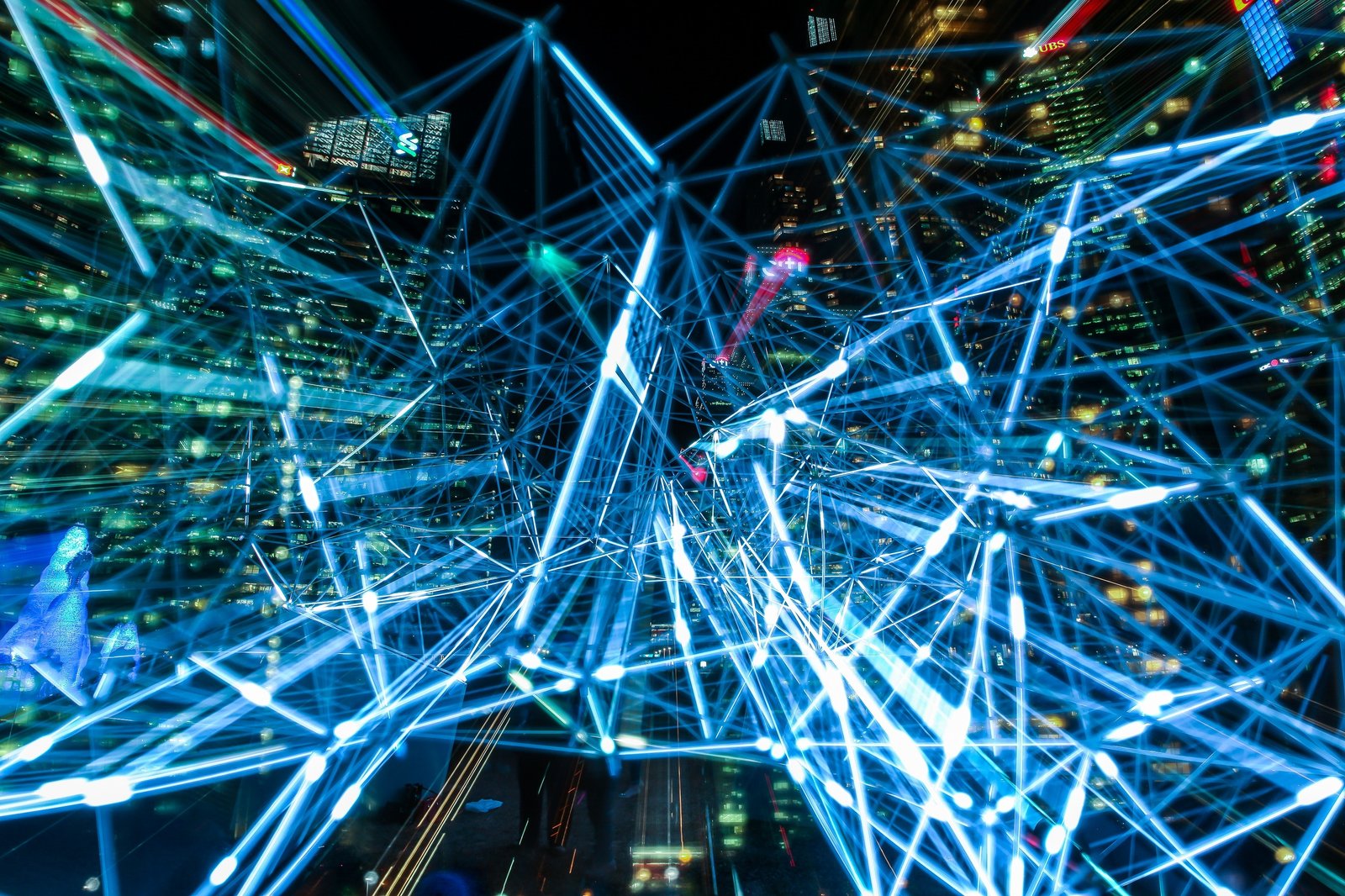
Introduction: In today's digital age, the fusion of technology and design has revolutionized various industries. Architectural lighting design is no exception. Thanks to advancements in computer vision, lighting designers in the USA now have access to powerful tools that optimize both aesthetics and functionality. In this blog post, we will explore how computer vision is shaping architectural lighting design services in the USA, and the benefits that come with this cutting-edge technology. 1. Understanding Computer Vision in Architectural Lighting Design: Computer vision refers to the field of computer science that focuses on teaching computers to see and interpret visual data, similarly to how humans do. It involves the use of artificial intelligence algorithms, image processing techniques, and deep learning models to analyze and understand images or video. In the context of architectural lighting design, computer vision technology enables designers to make informed decisions and create breathtaking lighting installations. 2. Precision in Lighting Planning and Design: Computer vision tools provide lighting designers with an accurate analysis of a space's layout, including its dimensions, shape, and features. By integrating computer vision technology, designers can plan lighting installations with precision, ensuring optimal light distribution, coverage, and placement. This allows for the creation of visually stunning and energy-efficient lighting designs that enhance the architectural features of a space. 3. Intelligent Lighting Control Systems: Computer vision technology extends beyond static lighting design. By integrating computer vision with intelligent lighting control systems, designers can achieve dynamic lighting effects that adapt to the environment and user needs. For instance, computer vision algorithms can detect occupancy within a space, allowing for the automatic adjustment of lighting levels and color temperatures to provide comfort and energy-saving benefits. 4. Enhancing Safety and Security: Computer vision also plays a crucial role in improving safety and security through lighting design. By analyzing real-time video footage, computer vision algorithms can detect and track human presence, unusual behavior, or potential hazards. This enables designers to incorporate strategic lighting installations that enhance visibility and provide a safe environment for building occupants. 5. Streamlining Design Processes: Computer vision technology simplifies and accelerates the design process for lighting professionals in the USA. With the ability to visualize lighting concepts in virtual environments, designers can fine-tune their designs and experiment with various lighting scenarios before implementation. This not only saves time but also reduces the risk of costly mistakes or design flaws. 6. Sustainability and Energy Efficiency: With increased awareness of environmental sustainability, computer vision technology assists architectural lighting design services in the USA in creating eco-friendly lighting solutions. By analyzing data on daylight availability and incorporating sensors, computer vision systems can dynamically adjust artificial lighting to maximize the use of natural light and reduce energy consumption. Conclusion: Computer vision technology has opened up a world of possibilities for architectural lighting design services in the USA. From precision planning and design to intelligent lighting control systems and enhanced safety measures, computer vision empowers lighting designers to create impactful and sustainable lighting installations. By harnessing the power of computer vision, the future of architectural lighting design is set to be brighter than ever before. For additional information, refer to: http://www.thunderact.com For a different take on this issue, see http://www.alliancespot.com Want a deeper understanding? http://www.vfeat.com
Leave a Comment:
SEARCH
Recent News
- Illuminating Wildlife Conservation: The Impact of Proper Lighting
- If you are looking for innovative startups in the lighting industry located in Vancouver, Canada, you've come to the right place. Vancouver is known for its thriving startup scene, and several companies are making waves in the lighting sector. Let's take a look at some of the top startups in Vancouver that are revolutionizing the way we think about lighting.
- "Brighten Up Your Business: The Importance of Lighting in Vancouver"
- When it comes to lighting in Vancouver, there are several companies that stand out for their exceptional products and services. Whether you're looking to illuminate your home, office, or outdoor space, these top lighting companies in Vancouver have you covered.
- Are you interested in learning about the various business support programs offered by the UK government to help entrepreneurs and small business owners in the lighting industry? From funding opportunities to advisory services, the UK government provides a range of resources to support businesses in this sector.
- When it comes to creating a welcoming and cozy ambiance in Tunisian hotels, the lighting plays a crucial role. Lighting design not only illuminates the space but also sets the mood and enhances the overall guest experience. In this blog post, we will explore the importance of lighting in Tunisian hotels and how it can create a warm and inviting atmosphere for visitors.
- Lighting Trends: Illuminate Your Space in Style
- Enhancing Visibility with Advanced Lighting Tracking Solutions
READ MORE
3 months ago Category : lumenwork

Illuminating Wildlife Conservation: The Impact of Proper Lighting
Read More →3 months ago Category : lumenwork

If you are looking for innovative startups in the lighting industry located in Vancouver, Canada, you've come to the right place. Vancouver is known for its thriving startup scene, and several companies are making waves in the lighting sector. Let's take a look at some of the top startups in Vancouver that are revolutionizing the way we think about lighting.
Read More →3 months ago Category : lumenwork

"Brighten Up Your Business: The Importance of Lighting in Vancouver"
Read More →3 months ago Category : lumenwork
