Enhancing Farming Technology with Exterior Residential Lighting Design in the USA
Category : lumenwork | Sub Category : Posted on 2023-10-30 21:24:53
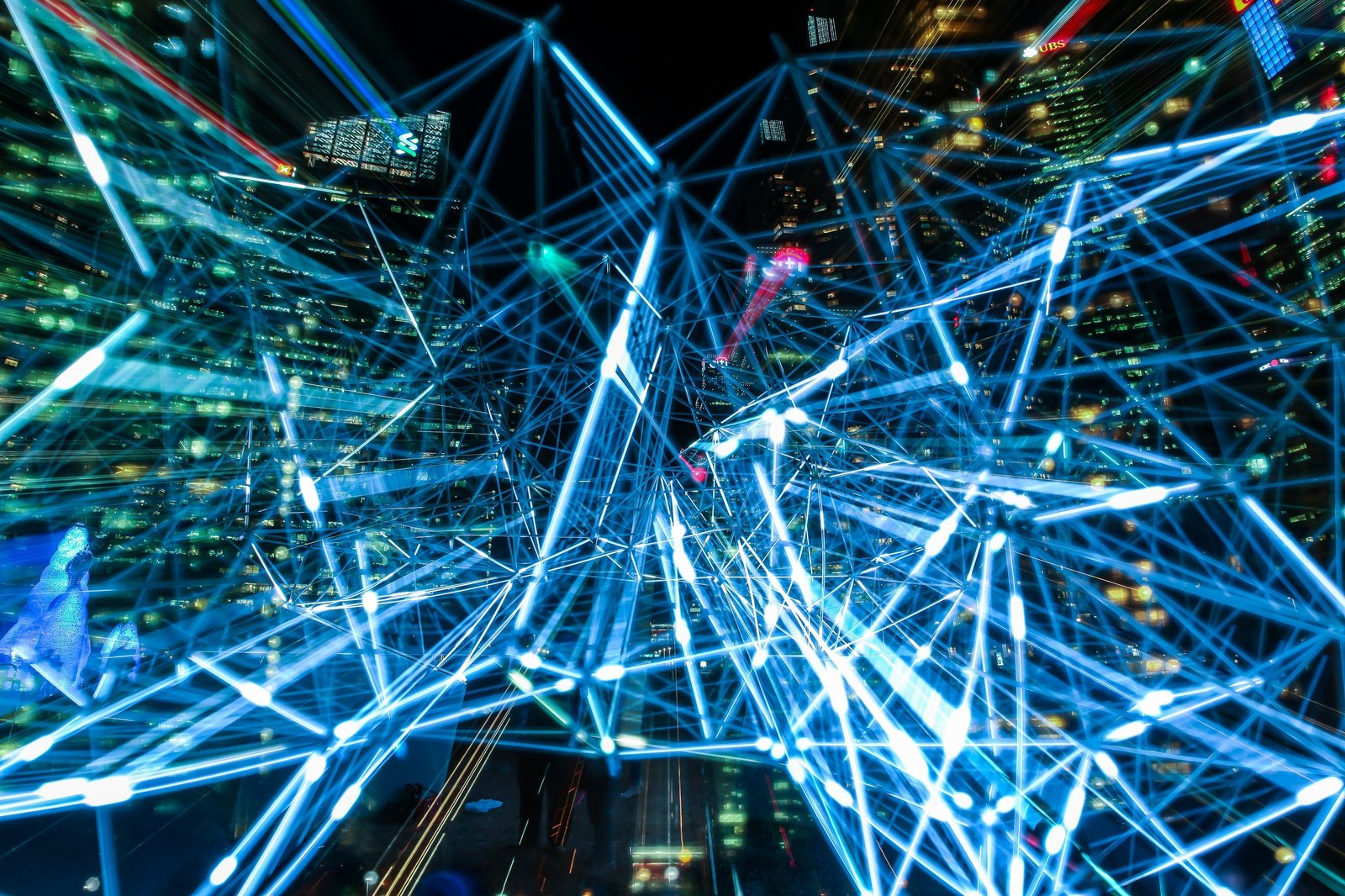
Introduction: In recent years, the agricultural sector has witnessed a rapid evolution in farming technology, revolutionizing the way farmers operate and increasing efficiency. One aspect that often goes unnoticed but plays a crucial role in modern agriculture is exterior residential lighting design. In this blog post, we will explore how the implementation of outdoor lighting solutions in farming has transformed the industry and discuss their significance for farmers in the USA. 1. Improved Productivity and Safety: Exterior residential lighting design can significantly enhance productivity on farms. With proper lighting systems, farmers can extend the work hours, enabling them to maximize their productivity during critical periods such as planting and harvesting. Illuminating work areas during night hours eliminates the dependence on natural daylight, allowing work to continue seamlessly. Additionally, well-placed lighting fixtures ensure better visibility, reducing the risk of accidents and increasing worker safety. 2. Increased Crop Yield and Quality: Lighting has a profound impact on plant growth and development. By integrating smart lighting solutions, farmers can provide crops with the ideal lighting conditions, optimizing their growth and overall yield. Using technologies like LED lights with adjustable settings, farmers can tailor light spectrums and intensity to specific crop requirements, replicating different stages of the sun's light spectrum. By ensuring adequate lighting, farmers can achieve higher crop quality, such as vibrant colors, better taste, and higher nutritional value. 3. Pest Management and Disease Control: Outdoor lighting can also be an effective tool in pest management and disease control. Various insects are attracted to specific light spectrums, and by strategically using lighting with specific wavelengths, farmers can lure pests away from crops or trap them. Similarly, certain lighting configurations can deter nocturnal pests from entering fields. Additionally, lighting can help identify early signs of disease or infestation, enabling farmers to take prompt action and prevent potential losses. 4. Energy Efficiency and Sustainability: Exterior residential lighting design has come a long way in terms of energy efficiency. LED lighting solutions have revolutionized the lighting industry by providing sustainable alternatives to traditional lighting options. LED lights consume less energy, have longer lifespans, and produce less heat, making them an ideal choice for farm lighting. By switching to LED lighting systems, farmers not only reduce their energy consumption but also contribute to a greener, more sustainable future for agriculture. 5. Integration with Smart Farming Technologies: With the advancement of IoT (Internet of Things) and smart farming technologies, exterior residential lighting design can be integrated into larger agricultural systems. By connecting lighting systems to automated farming platforms, farmers can remotely control and monitor lighting conditions for their crops. Smart sensors can collect data such as temperature, humidity, and lighting intensities, ensuring optimal conditions for crop growth. These technology integrations further enhance efficiency and reduce manual labor. Conclusion: As farming technology continues to advance, it is crucial for farmers to embrace innovative approaches such as exterior residential lighting design to optimize their operations. The integration of technology not only increases productivity and crop quality but also promotes sustainability and improves overall farm management. By utilizing the benefits that exterior residential lighting design offers, farmers in the USA can pave the way for a more efficient and prosperous future in agriculture. Explore this subject further for a deeper understanding. http://www.alliancespot.com Want to know more? Don't forget to read: http://www.xfarming.com
Leave a Comment:
SEARCH
Recent News
- Illuminating Wildlife Conservation: The Impact of Proper Lighting
- If you are looking for innovative startups in the lighting industry located in Vancouver, Canada, you've come to the right place. Vancouver is known for its thriving startup scene, and several companies are making waves in the lighting sector. Let's take a look at some of the top startups in Vancouver that are revolutionizing the way we think about lighting.
- "Brighten Up Your Business: The Importance of Lighting in Vancouver"
- When it comes to lighting in Vancouver, there are several companies that stand out for their exceptional products and services. Whether you're looking to illuminate your home, office, or outdoor space, these top lighting companies in Vancouver have you covered.
- Are you interested in learning about the various business support programs offered by the UK government to help entrepreneurs and small business owners in the lighting industry? From funding opportunities to advisory services, the UK government provides a range of resources to support businesses in this sector.
- When it comes to creating a welcoming and cozy ambiance in Tunisian hotels, the lighting plays a crucial role. Lighting design not only illuminates the space but also sets the mood and enhances the overall guest experience. In this blog post, we will explore the importance of lighting in Tunisian hotels and how it can create a warm and inviting atmosphere for visitors.
- Lighting Trends: Illuminate Your Space in Style
- Enhancing Visibility with Advanced Lighting Tracking Solutions
READ MORE
3 months ago Category : lumenwork

Illuminating Wildlife Conservation: The Impact of Proper Lighting
Read More →3 months ago Category : lumenwork

If you are looking for innovative startups in the lighting industry located in Vancouver, Canada, you've come to the right place. Vancouver is known for its thriving startup scene, and several companies are making waves in the lighting sector. Let's take a look at some of the top startups in Vancouver that are revolutionizing the way we think about lighting.
Read More →3 months ago Category : lumenwork

"Brighten Up Your Business: The Importance of Lighting in Vancouver"
Read More →3 months ago Category : lumenwork
