Shedding Light on Chinese Medicine: The Role of Lighting in Traditional Healing
Category : lumenwork | Sub Category : Posted on 2023-10-30 21:24:53
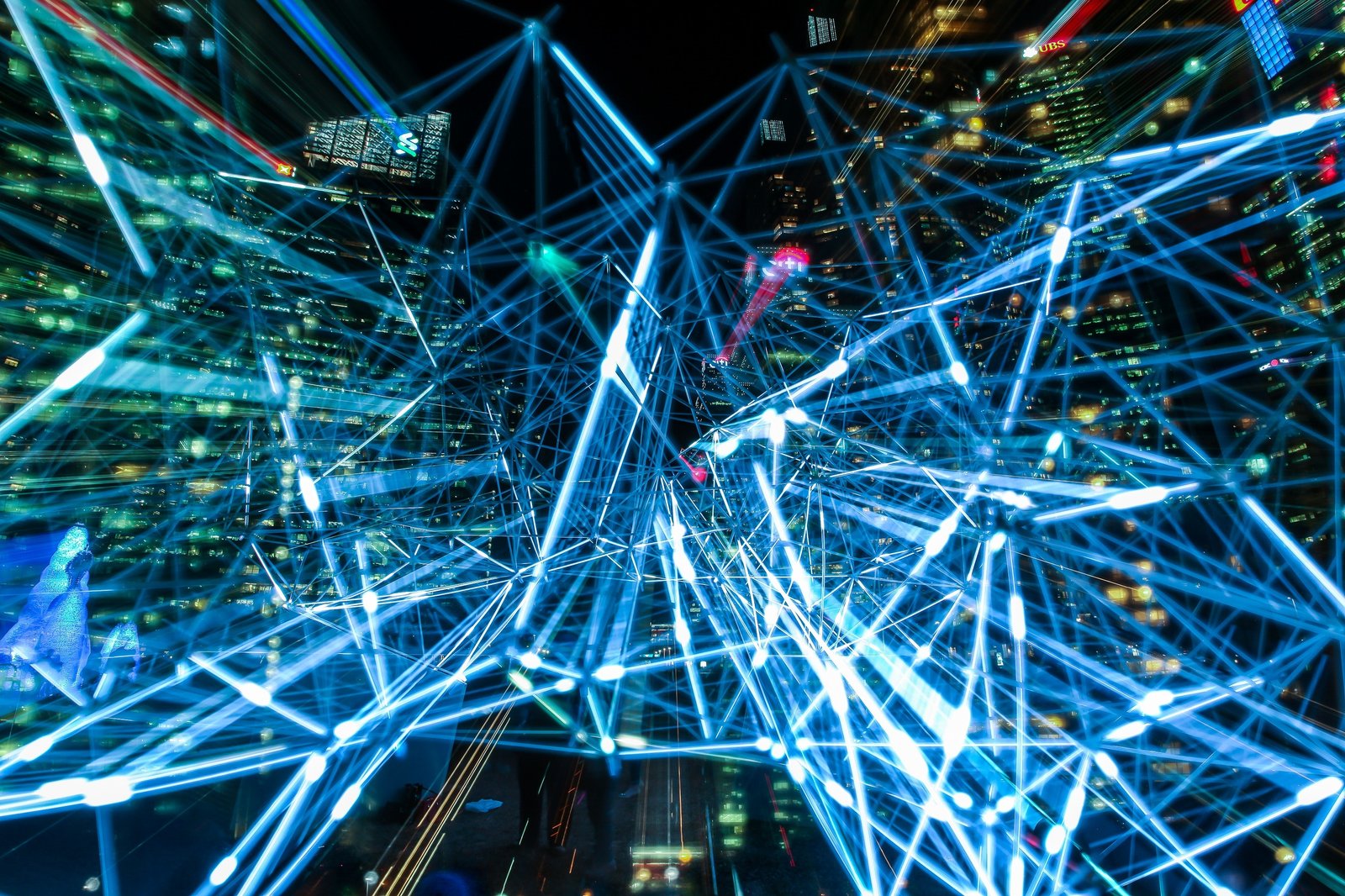
Introduction: Chinese medicine has a rich history that dates back thousands of years and is deeply rooted in the concept of achieving balance and harmony within the body. While many aspects of Chinese medicine are widely known, such as acupuncture and herbal remedies, there is another element that plays a crucial role in this ancient healing practice - lighting. In this blog post, we will explore the significance of lighting in Chinese medicine and how it contributes to the overall well-being of individuals. The Importance of Natural Light: Natural light holds great significance in Chinese medicine as it is believed to have a positive impact on the body's energy flow, or Qi. In traditional Chinese medicine, the importance of balancing Yin and Yang energies is emphasized, and natural light plays a vital role in maintaining this equilibrium. Exposure to sunlight helps regulate the body's internal clock, enhances mood, and stimulates the production of vitamin D, which is crucial for overall health. Creating a Harmonious Indoor Environment: While natural light is highly valued, creating a harmonious indoor environment is equally important in Chinese medicine. Soft, warm lighting is preferred over harsh, bright lights, as it helps to create a soothing and calming atmosphere conducive to healing. In contrast, excessive light can disrupt the body's natural rhythm and lead to imbalances within the body's energy systems. Balance and Harmony: According to traditional Chinese medicine principles, various lighting techniques can be used to restore balance and harmony within the body. For example, colored lights are often employed in Chinese medicine treatments to target specific energy channels or meridians. Each color is believed to have different healing properties, affecting the body and mind in unique ways. Red light, associated with the Yang energy, is known for its invigorating and stimulating qualities and is often used to promote blood circulation and energy levels. Blue light, on the other hand, is associated with the Yin energy and is believed to have a calming and cooling effect, often used to relieve stress and promote relaxation. Green light is said to harmonize the body and mind, promoting overall balance and well-being. Feng Shui and Lighting: In addition to the specific use of lighting in healing practices, the principles of Feng Shui also play a significant role in Chinese medicine. Feng Shui emphasizes the arrangement of objects and the flow of energy in a space to support health and well-being. Lighting, in this context, is carefully considered to enhance the positive energy and promote balance. Conclusion: In the world of traditional Chinese medicine, lighting is not just a means to see, but a crucial element that influences the body's energy flow and overall well-being. Whether it's the natural light that energizes and regulates our internal clock or the carefully chosen colored lights used in treatments, lighting plays a significant role in maintaining balance and harmony. By understanding and incorporating appropriate lighting techniques, we can harness the power of light to support our health and well-being, aligning ourselves with the ancient wisdom of Chinese medicine. Click the following link for more http://www.doctorregister.com For a deeper dive, visit: http://www.alliancespot.com Explore expert opinions in http://www.tinyfed.com To learn more, take a look at: http://www.natclar.com Here is the following website to check: http://www.soitsyou.com
Leave a Comment:
SEARCH
Recent News
- Illuminating Wildlife Conservation: The Impact of Proper Lighting
- If you are looking for innovative startups in the lighting industry located in Vancouver, Canada, you've come to the right place. Vancouver is known for its thriving startup scene, and several companies are making waves in the lighting sector. Let's take a look at some of the top startups in Vancouver that are revolutionizing the way we think about lighting.
- "Brighten Up Your Business: The Importance of Lighting in Vancouver"
- When it comes to lighting in Vancouver, there are several companies that stand out for their exceptional products and services. Whether you're looking to illuminate your home, office, or outdoor space, these top lighting companies in Vancouver have you covered.
- Are you interested in learning about the various business support programs offered by the UK government to help entrepreneurs and small business owners in the lighting industry? From funding opportunities to advisory services, the UK government provides a range of resources to support businesses in this sector.
- When it comes to creating a welcoming and cozy ambiance in Tunisian hotels, the lighting plays a crucial role. Lighting design not only illuminates the space but also sets the mood and enhances the overall guest experience. In this blog post, we will explore the importance of lighting in Tunisian hotels and how it can create a warm and inviting atmosphere for visitors.
- Lighting Trends: Illuminate Your Space in Style
- Enhancing Visibility with Advanced Lighting Tracking Solutions
READ MORE
3 months ago Category : lumenwork

Illuminating Wildlife Conservation: The Impact of Proper Lighting
Read More →3 months ago Category : lumenwork

If you are looking for innovative startups in the lighting industry located in Vancouver, Canada, you've come to the right place. Vancouver is known for its thriving startup scene, and several companies are making waves in the lighting sector. Let's take a look at some of the top startups in Vancouver that are revolutionizing the way we think about lighting.
Read More →3 months ago Category : lumenwork

"Brighten Up Your Business: The Importance of Lighting in Vancouver"
Read More →3 months ago Category : lumenwork
