The Illuminating Journey: A Brief History of Lighting Electronic Devices from Registration to Manufacturing
Category : lumenwork | Sub Category : Posted on 2023-10-30 21:24:53
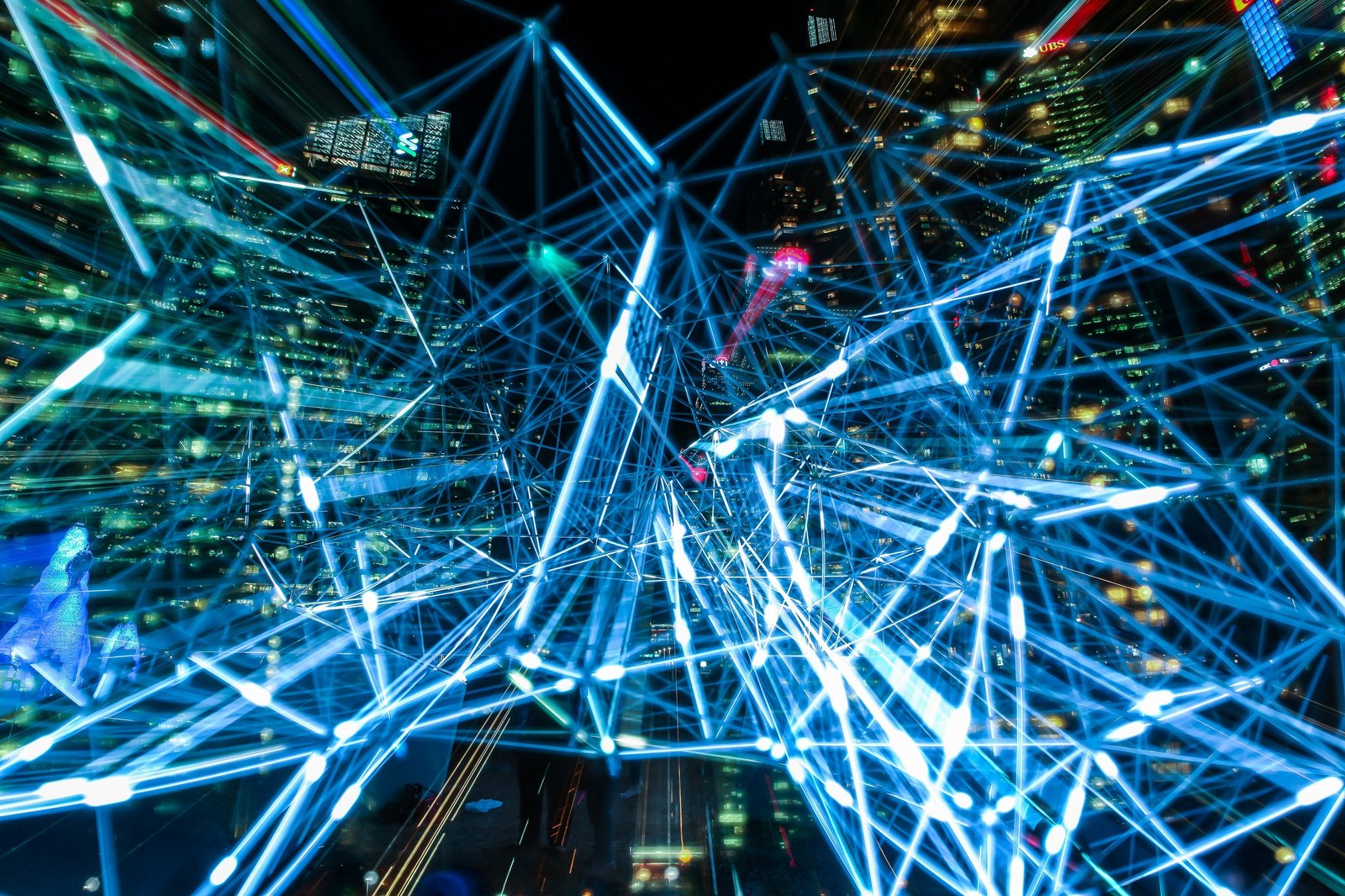
Introduction: Lighting electronic devices have revolutionized the way we illuminate our surroundings, offering efficient, practical, and versatile solutions to suit our everyday needs. From the initial concept to the final manufacturing process, this blog post will take you on a journey through the fascinating history of these innovative devices. 1. The Registration of Lighting Electronic Devices: Before diving into the intricacies of manufacturing, let's take a step back and explore the process of registration. Inventors and innovators strive to protect their creations through patents and trademarks, ensuring that their ideas are safeguarded and recognized. The registration stage allows for the legally binding documentation of lighting electronic devices, setting the foundation for future manufacturing endeavors. 2. The Evolution of Lighting Electronic Devices: The history of lighting electronic devices dates back to the invention of the electric light bulb by Thomas Edison in the late 19th century. Edison's creation marked a turning point in the world of lighting, paving the way for future advancements and inspiring countless inventors. Over time, incandescent bulbs evolved into fluorescent, halogen, and now, energy-efficient LED lights, presenting more environmentally friendly and cost-effective options. 3. Manufacturing Processes: Manufacturing lighting electronic devices involves a combination of precision, technology, and expertise. The process begins with designing the appropriate circuitry and components that ensure optimal performance and energy efficiency. From there, manufacturers create prototypes, followed by rigorous testing to ensure functionality and adherence to safety standards. Once the prototypes meet industry requirements, the mass production phase begins. Advanced manufacturing techniques, such as surface mount technology (SMT) and automated assembly lines, streamline production, minimize errors, and maximize efficiency. These innovations have significantly increased the speed at which lighting electronic devices are manufactured. 4. Quality Control and Safety Measures: To ensure the highest standards, lighting electronic devices undergo rigorous quality control and safety testing. Industry standards and certifications, such as the International Electrotechnical Commission (IEC) and Energy Star, provide guidelines for manufacturers to follow. These measures assure consumers that the lighting devices they purchase meet safety standards and are environmentally friendly. 5. The Future of Lighting Electronic Devices: As technology continues to advance at a rapid pace, the future of lighting electronic devices holds endless possibilities. The integration of smart technology and internet connectivity, known as the Internet of Things (IoT), opens up new avenues for innovation. Imagine a world where lighting devices can be controlled remotely, adjust based on occupancy, and even contribute to saving energy through intelligent algorithms. Conclusion: The journey of lighting electronic devices, from registration to manufacturing, has been an illuminating one. Through detailed registration processes, continuous technological advancements, and strict quality control, lighting electronic devices have become an integral part of our lives. As we venture into the future, these devices are poised to further revolutionize the way we illumine our homes, offices, and public spaces. For an in-depth examination, refer to http://www.alliancespot.com For a comprehensive review, explore http://www.edhr.org
Leave a Comment:
SEARCH
Recent News
- Illuminating Wildlife Conservation: The Impact of Proper Lighting
- If you are looking for innovative startups in the lighting industry located in Vancouver, Canada, you've come to the right place. Vancouver is known for its thriving startup scene, and several companies are making waves in the lighting sector. Let's take a look at some of the top startups in Vancouver that are revolutionizing the way we think about lighting.
- "Brighten Up Your Business: The Importance of Lighting in Vancouver"
- When it comes to lighting in Vancouver, there are several companies that stand out for their exceptional products and services. Whether you're looking to illuminate your home, office, or outdoor space, these top lighting companies in Vancouver have you covered.
- Are you interested in learning about the various business support programs offered by the UK government to help entrepreneurs and small business owners in the lighting industry? From funding opportunities to advisory services, the UK government provides a range of resources to support businesses in this sector.
- When it comes to creating a welcoming and cozy ambiance in Tunisian hotels, the lighting plays a crucial role. Lighting design not only illuminates the space but also sets the mood and enhances the overall guest experience. In this blog post, we will explore the importance of lighting in Tunisian hotels and how it can create a warm and inviting atmosphere for visitors.
- Lighting Trends: Illuminate Your Space in Style
- Enhancing Visibility with Advanced Lighting Tracking Solutions
READ MORE
11 months ago Category : lumenwork

Illuminating Wildlife Conservation: The Impact of Proper Lighting
Read More →11 months ago Category : lumenwork

If you are looking for innovative startups in the lighting industry located in Vancouver, Canada, you've come to the right place. Vancouver is known for its thriving startup scene, and several companies are making waves in the lighting sector. Let's take a look at some of the top startups in Vancouver that are revolutionizing the way we think about lighting.
Read More →11 months ago Category : lumenwork

"Brighten Up Your Business: The Importance of Lighting in Vancouver"
Read More →11 months ago Category : lumenwork
