A Bright Outlook: Lighting Tax Planning Tips for Businesses
Category : lumenwork | Sub Category : Posted on 2023-10-30 21:24:53
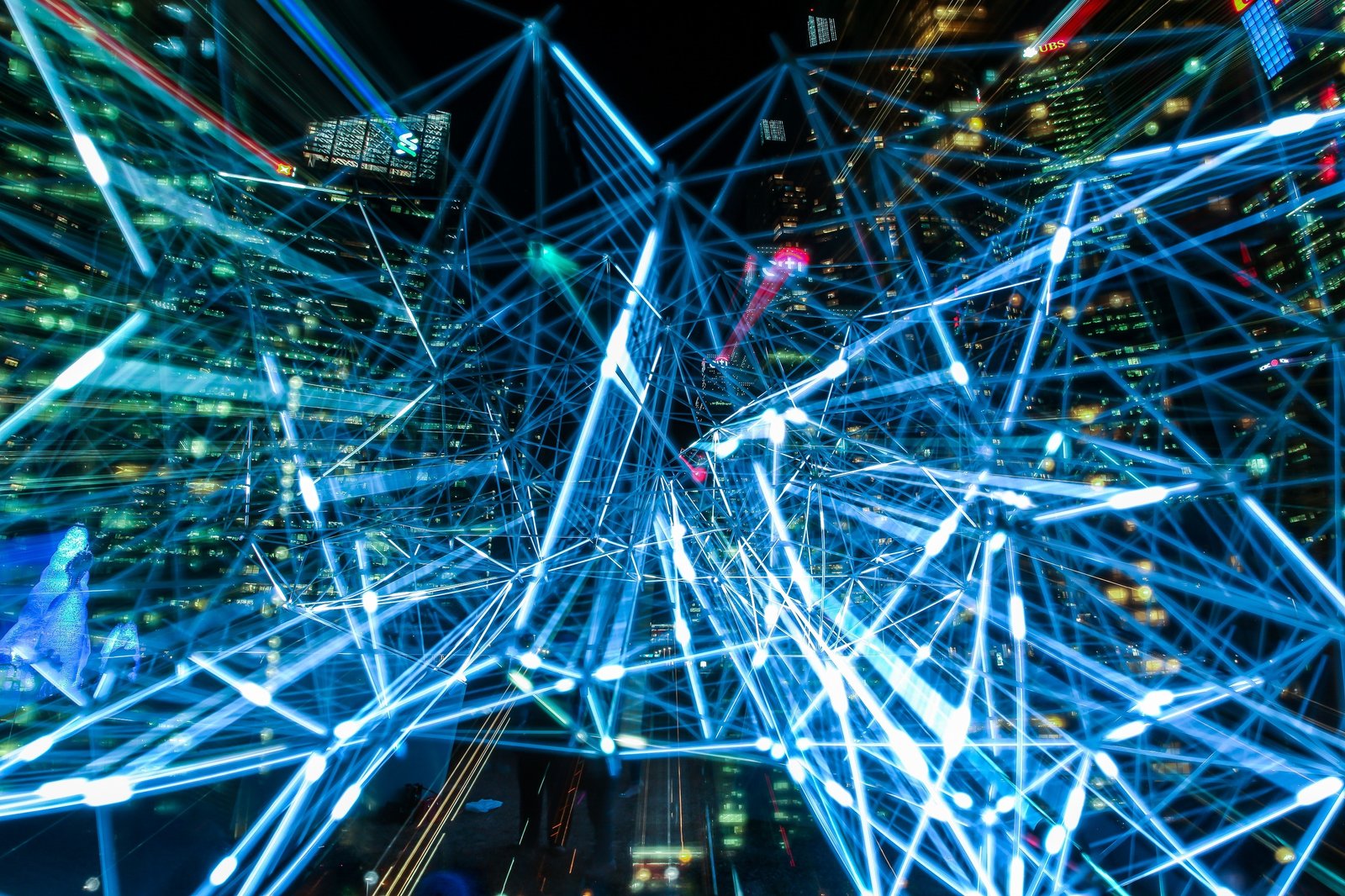
Introduction: When it comes to tax planning for businesses, small details can make a big difference. One often overlooked area is lighting. By strategically considering your lighting choices, you can not only enhance your workspace but also take advantage of tax benefits. In this blog post, we will dive into lighting tax planning and explore tips to brighten your financial outlook. 1. Energy-Efficient Lighting: One of the best ways to save on taxes and reduce energy costs is by transitioning to energy-efficient lighting. LED (Light Emitting Diode) lights are highly energy-efficient, providing significant savings in electricity consumption over traditional incandescent or fluorescent bulbs. The IRS offers tax incentives for businesses that make energy-efficient upgrades, such as the Energy Efficient Commercial Buildings Deduction (Section 179D), where you can qualify for up to $1.80 per square foot for qualified lighting upgrades. 2. Depreciation Deductions: Businesses can also benefit from depreciation deductions related to lighting improvements. The Modified Accelerated Cost Recovery System (MACRS) allows you to recover the cost of capital assets over a certain period. Depending on the type of lighting fixtures and their lifespan, you might be eligible for depreciation deductions over several years, reducing your taxable income and improving cash flow. 3. Maintenance and Repair Deductions: Regular maintenance and repairs of lighting fixtures can also be tax-deductible. Routine expenses like bulb replacements, cleaning, and electrical repairs may qualify as business expenses, reducing your overall tax liability. Keep detailed records of all lighting-related expenses to ensure accurate deductions during tax filing season. 4. Occupancy Sensors and Timers: Taking advantage of occupancy sensors and timers for your lighting can lead to significantly lower energy consumption. These devices automatically turn off lights when no one is present and regulate lighting usage based on occupancy patterns. Not only will this save electricity costs, but it may also qualify for tax deductions under energy-saving initiatives. 5. Research and Development Tax Credit: If your business is involved in developing innovative lighting technologies, you may be eligible for research and development (R&D) tax credits. This credit allows businesses to claim a percentage of their qualifying research expenses, including costs incurred in creating or improving lighting systems. Consult your tax advisor to determine if your lighting innovations qualify for this valuable tax credit. 6. Section 179 Expensing: To encourage businesses to invest in themselves, the IRS offers Section 179 expensing, allowing you to deduct the full cost of qualifying lighting equipment and fixtures in the year of purchase. By taking advantage of this provision, you can accelerate your tax deductions and reduce your taxable income, putting money back into your business. Conclusion: When it comes to lighting tax planning, being mindful of energy-efficient choices and taking advantage of various tax incentives can positively impact your bottom line. Whether it's upgrading to LED lights, seeking depreciation deductions, or implementing innovative lighting solutions, staying updated on lighting tax planning strategies can brighten your financial outlook. Consult with a tax professional to tailor these strategies to your specific business needs and enjoy the benefits of both a well-illuminated workspace and a more efficient tax filing. To get more information check: http://www.alliancespot.com If you are enthusiast, check the following link http://www.upital.com
Leave a Comment:
SEARCH
Recent News
- Illuminating Wildlife Conservation: The Impact of Proper Lighting
- If you are looking for innovative startups in the lighting industry located in Vancouver, Canada, you've come to the right place. Vancouver is known for its thriving startup scene, and several companies are making waves in the lighting sector. Let's take a look at some of the top startups in Vancouver that are revolutionizing the way we think about lighting.
- "Brighten Up Your Business: The Importance of Lighting in Vancouver"
- When it comes to lighting in Vancouver, there are several companies that stand out for their exceptional products and services. Whether you're looking to illuminate your home, office, or outdoor space, these top lighting companies in Vancouver have you covered.
- Are you interested in learning about the various business support programs offered by the UK government to help entrepreneurs and small business owners in the lighting industry? From funding opportunities to advisory services, the UK government provides a range of resources to support businesses in this sector.
- When it comes to creating a welcoming and cozy ambiance in Tunisian hotels, the lighting plays a crucial role. Lighting design not only illuminates the space but also sets the mood and enhances the overall guest experience. In this blog post, we will explore the importance of lighting in Tunisian hotels and how it can create a warm and inviting atmosphere for visitors.
- Lighting Trends: Illuminate Your Space in Style
- Enhancing Visibility with Advanced Lighting Tracking Solutions
READ MORE
10 months ago Category : lumenwork

Illuminating Wildlife Conservation: The Impact of Proper Lighting
Read More →10 months ago Category : lumenwork

If you are looking for innovative startups in the lighting industry located in Vancouver, Canada, you've come to the right place. Vancouver is known for its thriving startup scene, and several companies are making waves in the lighting sector. Let's take a look at some of the top startups in Vancouver that are revolutionizing the way we think about lighting.
Read More →10 months ago Category : lumenwork

"Brighten Up Your Business: The Importance of Lighting in Vancouver"
Read More →10 months ago Category : lumenwork
