The Role of Linux Networks in Core Architectural Lighting in the USA
Category : lumenwork | Sub Category : Posted on 2023-10-30 21:24:53
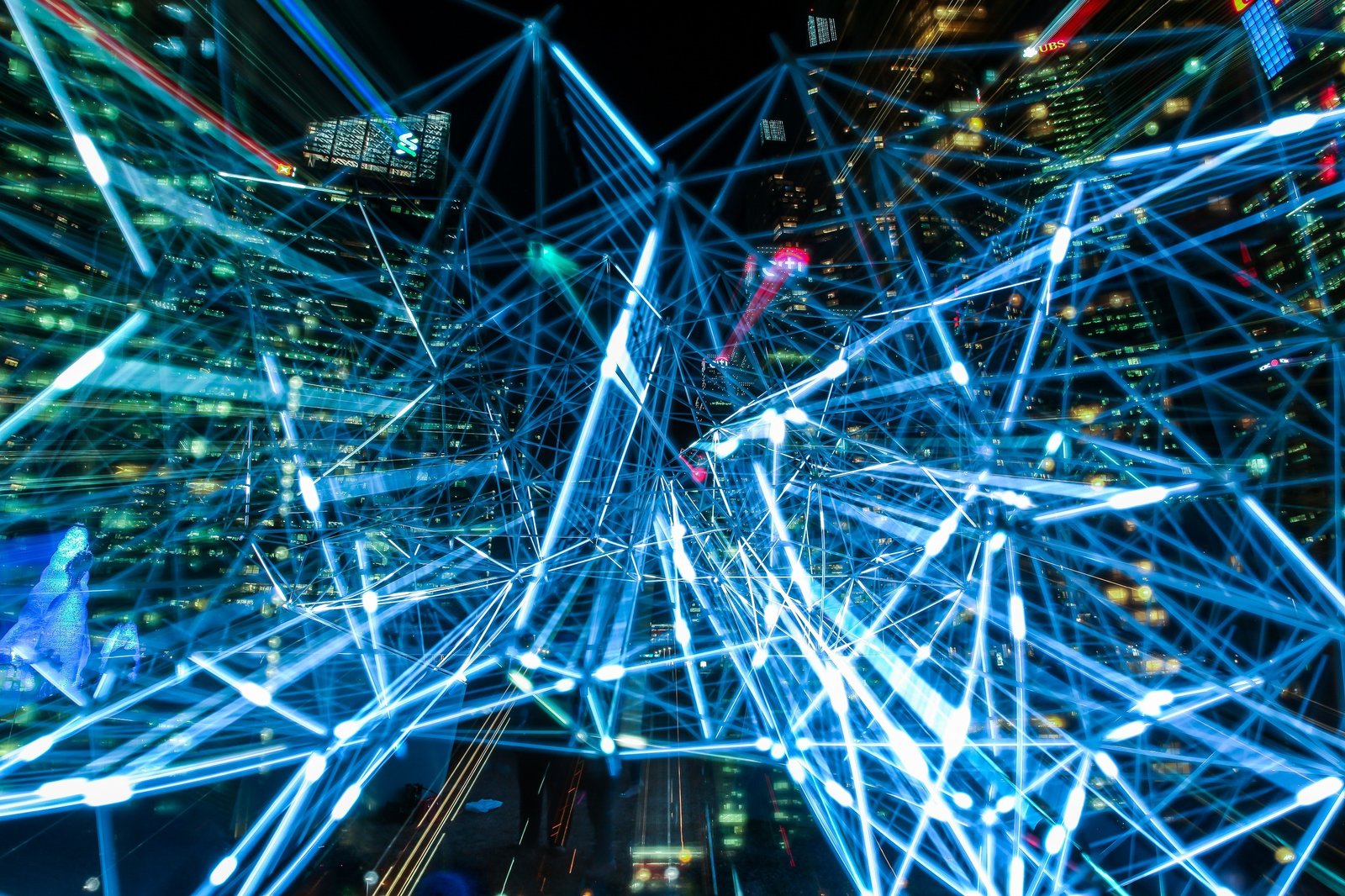
Introduction: With the ever-evolving demands of modern architecture and the rising focus on energy efficiency, core architectural lighting plays an integral part in enhancing the aesthetics and functionality of buildings. In recent years, the integration of Linux networks has revolutionized the lighting industry, providing advanced features and capabilities that were once unimaginable. In this blog post, we will explore how Linux networks are transforming the world of core architectural lighting in the USA. 1. Improved Control and Flexibility: Linux networks offer unparalleled control and flexibility when it comes to core architectural lighting systems. By employing an open-source framework, developers and lighting designers gain access to a vast ecosystem of tools and protocols that can be customized to suit their specific requirements. From fine-tuning individual light fixtures to orchestrating complex lighting scenes, Linux networks empower users to take complete control over their lighting systems with ease. 2. Seamless Integration and Interoperability: In the world of architectural lighting, interoperability is crucial. Linux networks excel in seamlessly integrating with various devices, protocols, and platforms. This ensures that lighting systems can communicate and work harmoniously with other elements of a building's infrastructure, such as HVAC systems, security protocols, and intelligent building management systems. The use of standard protocols, like DMX and Art-Net, allows lighting designers to connect and control a wide range of lighting fixtures, regardless of the brand or model. 3. Enhanced Energy Efficiency: Core architectural lighting systems powered by Linux networks leverage advanced algorithms and smart controls to optimize energy consumption. By integrating occupancy sensors, daylight harvesting sensors, and real-time data analysis, lighting systems can automatically adjust brightness levels and switch off when spaces are unoccupied. This results in significant energy savings, reduced carbon footprint, and lower operating costs for building owners and managers. 4. Dynamic Lighting Effects and Creativity: Linux networks enable lighting designers to push the boundaries of creativity by generating dynamic lighting effects that can transform any space into a captivating visual experience. With the ability to program intricate patterns, color-changing schemes, and synchronized lighting sequences, architectural lighting becomes a powerful tool to create ambiance, highlight architectural features, and evoke emotions in both indoor and outdoor spaces. 5. Remote Monitoring and Maintenance: Linux networks support remote monitoring and maintenance of core architectural lighting systems, allowing for swift and efficient troubleshooting. By accessing the lighting system through a secure network connection, technicians and facility managers can diagnose and resolve issues remotely, minimizing disruptions and downtime. Additionally, remote monitoring capabilities enable proactive maintenance, ensuring that potential problems are detected early on, and preventive measures can be implemented promptly. Conclusion: The integration of Linux networks into core architectural lighting systems is transforming the way buildings in the USA are illuminated and managed. With improved control, seamless integration, enhanced energy efficiency, dynamic effects, and remote monitoring, Linux networks are empowering lighting designers, facility managers, and building owners to achieve optimal aesthetics and functionality while reducing environmental impact. As technology continues to advance, the future of core architectural lighting in the USA looks brighter than ever thanks to Linux networks. Check the link: http://www.alliancespot.com For a fresh perspective, give the following a read http://www.droope.org Want to learn more? Start with: http://www.grauhirn.org
Leave a Comment:
SEARCH
Recent News
- Illuminating Wildlife Conservation: The Impact of Proper Lighting
- If you are looking for innovative startups in the lighting industry located in Vancouver, Canada, you've come to the right place. Vancouver is known for its thriving startup scene, and several companies are making waves in the lighting sector. Let's take a look at some of the top startups in Vancouver that are revolutionizing the way we think about lighting.
- "Brighten Up Your Business: The Importance of Lighting in Vancouver"
- When it comes to lighting in Vancouver, there are several companies that stand out for their exceptional products and services. Whether you're looking to illuminate your home, office, or outdoor space, these top lighting companies in Vancouver have you covered.
- Are you interested in learning about the various business support programs offered by the UK government to help entrepreneurs and small business owners in the lighting industry? From funding opportunities to advisory services, the UK government provides a range of resources to support businesses in this sector.
- When it comes to creating a welcoming and cozy ambiance in Tunisian hotels, the lighting plays a crucial role. Lighting design not only illuminates the space but also sets the mood and enhances the overall guest experience. In this blog post, we will explore the importance of lighting in Tunisian hotels and how it can create a warm and inviting atmosphere for visitors.
- Lighting Trends: Illuminate Your Space in Style
- Enhancing Visibility with Advanced Lighting Tracking Solutions
READ MORE
10 months ago Category : lumenwork

Illuminating Wildlife Conservation: The Impact of Proper Lighting
Read More →10 months ago Category : lumenwork

If you are looking for innovative startups in the lighting industry located in Vancouver, Canada, you've come to the right place. Vancouver is known for its thriving startup scene, and several companies are making waves in the lighting sector. Let's take a look at some of the top startups in Vancouver that are revolutionizing the way we think about lighting.
Read More →10 months ago Category : lumenwork

"Brighten Up Your Business: The Importance of Lighting in Vancouver"
Read More →10 months ago Category : lumenwork
