Illuminating the Future of Medicine: Lighting Projects in Belgium
Category : lumenwork | Sub Category : Posted on 2023-10-30 21:24:53
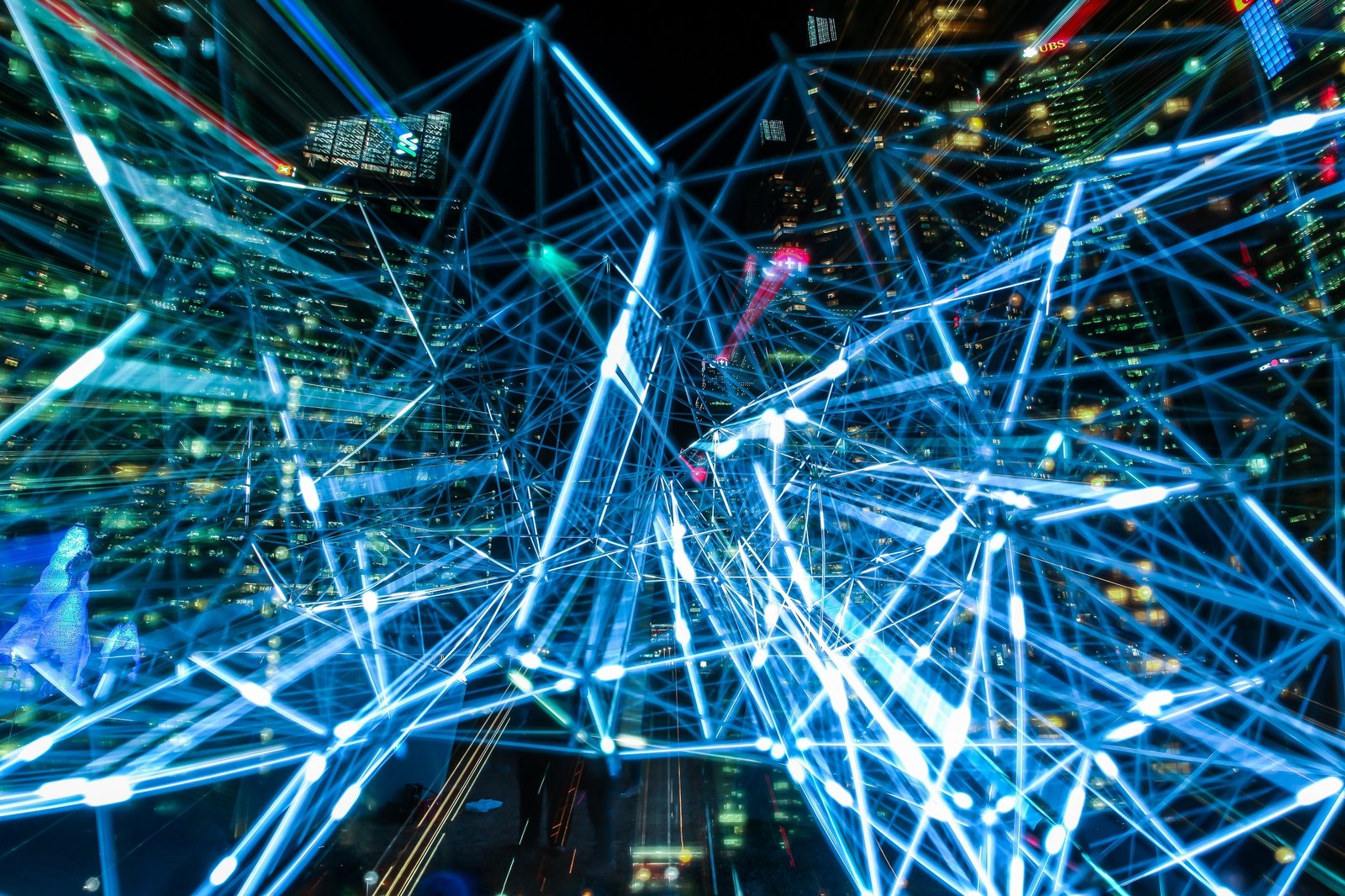
Introduction: When it comes to advancements in medicine, we often focus on breakthrough treatments, innovative devices, or groundbreaking research. However, we tend to overlook the role that lighting plays in healthcare settings. In Belgium, lighting projects have started to gain traction, revolutionizing the way we perceive healthcare environments. In this blog post, we will explore some of the fascinating lighting projects in Belgium that are enhancing patient experience, improving outcomes, and transforming the healthcare industry. 1. Circadian Lighting in hospitals: One of the most notable lighting projects in Belgium is the implementation of circadian lighting in hospitals. Circadian lighting design mimics the natural patterns of light throughout the day, positively influencing patients' well-being and recovery. Studies have shown that exposure to natural light and variations in lighting intensity and color can regulate sleep-wake cycles, reduce anxiety, and enhance mood. By integrating circadian lighting systems into hospitals, Belgium is embracing a patient-centric approach to healthcare. 2. Dynamic Lighting in operating rooms: Operating rooms require optimal lighting conditions to ensure the precision and safety of surgical procedures. Belgium has been at the forefront of leveraging dynamic lighting systems in operating rooms. These systems provide adjustable lighting levels and color temperatures that can be tailored to specific procedures. Surgeons benefit from enhanced visibility, reduced eye strain, and improved concentration. Ultimately, dynamic lighting contributes to better surgical outcomes, making it an indispensable tool for healthcare professionals. 3. Ambient lighting in healthcare facilities: The ambiance of healthcare facilities plays a vital role in promoting a calming environment for patients. Belgium has embraced ambient lighting projects where the focus is on creating soothing and aesthetically pleasing spaces. Warm, indirect lighting techniques are used to create a sense of tranquility, reducing stress levels for both patients and healthcare staff. Ambient lighting also enhances wayfinding, making it easier for patients to navigate through the facility. 4. Light therapy for mental wellness: Mental health is a significant aspect of overall well-being, and Belgium has recognized the potential of light therapy in treating mental health disorders. Light therapy involves exposure to specific wavelengths of light to alleviate symptoms of depression, seasonal affective disorder (SAD), and sleep disorders. Specialized light therapy rooms equipped with bright, adjustable lights offer patients a safe and controlled environment for treatment. These projects are proving to be a valuable addition to traditional therapies, providing a non-invasive and drug-free alternative. Conclusion: Belgium's innovative lighting projects in the field of medicine are revolutionizing the healthcare industry. From implementing circadian lighting in hospitals to using dynamic lighting in operating rooms, and creating soothing environments with ambient lighting, Belgium is spearheading the integration of lighting technology to improve patient experiences and outcomes. As the adoption of these projects expands globally, we can expect a brighter and more patient-centric future for healthcare. If you're interested in this topic, I suggest reading http://www.doctorregister.com Seeking answers? You might find them in http://www.alliancespot.com To get a different viewpoint, consider: http://www.tinyfed.com also for more info http://www.natclar.com
Leave a Comment:
SEARCH
Recent News
- Illuminating Wildlife Conservation: The Impact of Proper Lighting
- If you are looking for innovative startups in the lighting industry located in Vancouver, Canada, you've come to the right place. Vancouver is known for its thriving startup scene, and several companies are making waves in the lighting sector. Let's take a look at some of the top startups in Vancouver that are revolutionizing the way we think about lighting.
- "Brighten Up Your Business: The Importance of Lighting in Vancouver"
- When it comes to lighting in Vancouver, there are several companies that stand out for their exceptional products and services. Whether you're looking to illuminate your home, office, or outdoor space, these top lighting companies in Vancouver have you covered.
- Are you interested in learning about the various business support programs offered by the UK government to help entrepreneurs and small business owners in the lighting industry? From funding opportunities to advisory services, the UK government provides a range of resources to support businesses in this sector.
- When it comes to creating a welcoming and cozy ambiance in Tunisian hotels, the lighting plays a crucial role. Lighting design not only illuminates the space but also sets the mood and enhances the overall guest experience. In this blog post, we will explore the importance of lighting in Tunisian hotels and how it can create a warm and inviting atmosphere for visitors.
- Lighting Trends: Illuminate Your Space in Style
- Enhancing Visibility with Advanced Lighting Tracking Solutions
READ MORE
10 months ago Category : lumenwork

Illuminating Wildlife Conservation: The Impact of Proper Lighting
Read More →10 months ago Category : lumenwork

If you are looking for innovative startups in the lighting industry located in Vancouver, Canada, you've come to the right place. Vancouver is known for its thriving startup scene, and several companies are making waves in the lighting sector. Let's take a look at some of the top startups in Vancouver that are revolutionizing the way we think about lighting.
Read More →10 months ago Category : lumenwork

"Brighten Up Your Business: The Importance of Lighting in Vancouver"
Read More →10 months ago Category : lumenwork
